
Film Review: Toy Story 5
It's On.

Introduction
This is a quick review of the newly released film Toy Story 5. Please note that this is just one of the many movies I will have watched each year, and my initial grade for this film may change over time, for better or worse. To stay up to date on my thoughts about other movies and any potential changes in my opinion on this one, follow me on Letterboxd.
Plot
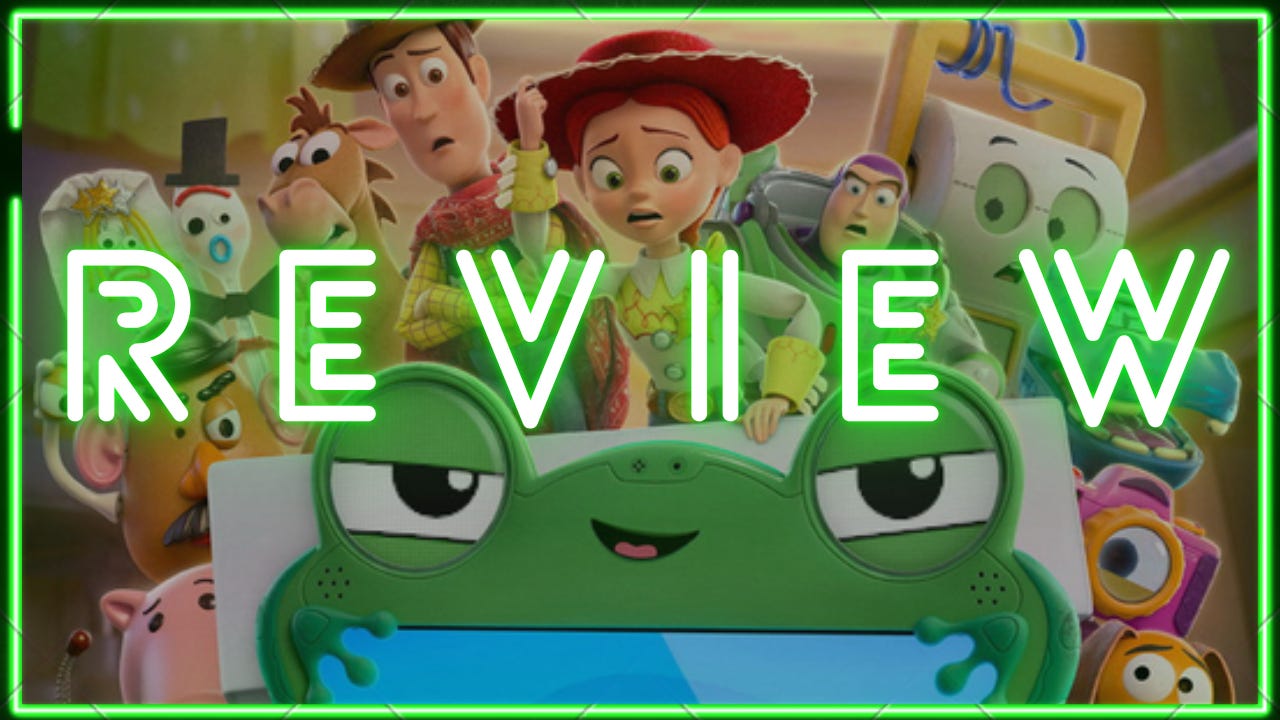
Via Letterboxd: When Bonnie receives a Lilypad tablet as a gift and becomes obsessed, Buzz, Woody, Jessie, and the rest of the gang’s jobs become exponentially harder when they have to go head to head with the all-new threat to playtime.
Review
The first time I ever watched Toy Story was on New Year’s Eve 1996, and it was actually he first theatrical experience I ever had after moving from Puerto Rico to the states. I watched Toy Story 2 with my family three years later, and then saw Toy Story 3 on a date with the future mother of my daughter eleven years after that. Nine years later came Toy Story 4, and now, seven years after that, I watched Toy Story 5 as a new father in his thirties.
I’ve literally grown up with these movies. They’ve been there through different chapters of my life, from being a kid adjusting to a new culture, to dating, to becoming a husband and father. In a strange way, they’ve aged right alongside me.
Pixar has spent three decades turning a box of plastic toys into one of cinema’s most profound examinations of growing up, letting go, and the universal desire to matter. After the perfect emotional finality of Toy Story 3 and the more controversial epilogue of Toy Story 4, I went into Toy Story 5 wondering whether there was really anything left to say.
Well, Pixar has done it again. Toy Story 5 leapfrogs into my list of the best films I’ve seen this year and, as of right now, it might even challenge Project Hail Mary for the current top spot. I have a couple of issues that keep me from putting it in the same tier as the franchise’s absolute best, but this series continues to do something few franchises have managed to sustain over such a long period of time. It uses talking toys to tackle existential questions and the very human need for connection in ways that resonate just as deeply with adults as they do with children.
What struck me immediately was how much this film feels like a return to the spirit of the original trilogy. I’m a defender of Toy Story 4, but that movie largely functioned as a side adventure centered on Woody. Toy Story 5 brings the gang back together (at least what it can given we’ve lost voice actors through the decades) and restores the ensemble dynamic that made the first three films work so beautifully. It almost feels like a blend of the original film and Toy Story 2, balancing questions about self-worth and purpose with the inevitability of change and the uncomfortable reality that everyone, toys included, eventually faces a limited amount of time.
That balancing act between fun and existential dread remains one of Pixar’s greatest strengths. Younger audiences are going to find plenty to enjoy here. There are laughs, exciting sequences, and enough colorful personalities to keep kids entertained from beginning to end. But adults will recognize the deeper themes underneath. These films have always been about more than toys. They’re about relationships. They’re about belonging. They’re about what happens when the thing that once defined your identity changes and you have to rediscover who you are.
The film does something no previous entry has attempted and passes the baton from Woody to Jessie as the main focus of the story. It worked far better than I expected. Her arc ties strongly into elements established in Toy Story 2, making the payoff of revisiting her origin story hit incredibly hard. It brings back memories of that painful montage from the second film, when Jessie remembers being abandoned by her first kid, and it lands with just as much emotional weight.
Even when the movie shifts away from Jessie, it still does a nice job with Woody and Buzz’s side of the adventure, with the latter thankfully being rehabilitated after the clunky way he was written in the previous installment. The new toys (or, in some cases, new devices) are also welcome additions. Chief among them is Smarty Pants, a potty-training mini-game voiced by Conan O’Brien, who ends up being my personal MVP of the whole movie. He gets many of the funniest lines and consistently steals every scene he’s in.
And in a world increasingly dominated by screens and digital distractions, Toy Story 5 makes a surprisingly poignant argument for imagination and human connection through its main plot of the toys being replaced by a children’s learning tablet in lilypad. Without ever becoming preachy, the movie takes a stance on the importance of genuine interaction and creative play. There’s a clear message that childhood is about more than simply staring at devices and consuming content. It’s about forming bonds, creating memories, and experiencing the world around you.
Honestly, I almost wish the movie had gone even further. Some of its observations about technology and the effects it can have on younger children are compelling enough that I wanted Pixar to lean harder into that aspect. The film makes its point, but I think there was room to take a more uncompromising stance about the dangers of replacing human connection with constant digital stimulation.
Emotionally, though, the movie absolutely wrecked me.
Watching this four months into becoming a girl dad, with my first Father’s Day around the corner, hit me in ways I wasn’t prepared for. There were three separate moments where I found myself in tears. Parenthood has a funny way of changing how you experience stories, and suddenly all of these themes about cherishing fleeting moments, preparing children to grow, and understanding that love often means accepting change landed with devastating force.
It reminded me why these movies have endured for so long. Every entry speaks differently depending on where you are in life. As a kid, these were funny adventures. As a teenager, they became stories about growing up. As an adult, they became reflections on purpose and mortality. And now, as a father, they resonate on yet another level entirely.
That isn’t to say I don’t have reservations. If I’m ranking endings, I still think Toy Story 3 remains the perfect conclusion. There’s an elegance and emotional completeness to that film that remains almost impossible to top. I understand why Pixar keeps returning to these characters because they continue finding worthwhile things to say, but part of me still believes that Andy handing over his toys was one of the most satisfying farewells in movie history.
Another issue that has persisted as the franchise has grown larger is the problem of character overcrowding. Certain toys continue to get reduced to glorified cameos, and some longtime favorites barely impact the overall story (again, though, we have lost some key voice actors through the decades). That’s been an issue since Toy Story 4, and it continues here. When you’ve accumulated this many beloved characters over five films, it’s inevitable that some are going to get lost in the shuffle, but it does leave me wishing a few members of the gang had more meaningful roles.
Those complaints aside, Toy Story 5 serves as another reminder of why Pixar at its best remains one of the great storytellers in Hollywood. The studio understands that animation doesn’t have to choose between entertaining children and challenging adults. It can do both. It can make you laugh one minute and leave you contemplating life itself the next.
More importantly, it understands something that these films have known since 1995 in that we all want to feel like we belong somewhere. We all want to matter to someone. We all fear being left behind. And somehow, after five movies, these toys still know how to speak to those anxieties in ways that feel timeless. I already want to see it again; an A+ grade from me for Toy Story 5 upon my first viewing.
“TL;DR”
Pros: Has much more of the ensemble vibes of the first three films rather than the side-plot journey that the fourth film feels like; Like its predecessors its able to comfortably juggle an entertaining film with plenty for younger audiences and adults to enjoy; Takes a much needed stance on imagination and human bonding over just staring at screens; Continues the emotional impact of using these toys to hit on themes of existentialism and belonging; Left me in tears during several moments
Cons: I still feel like this franchise had the more perfect ending with part three; The issue of regulating certain toys to shorter screentime and having no real impact to the story continues to be an issue as the franchise lasts longer; The movie could have taken an even more harsh stance against the problematic sides of having young kids using tech over connecting with the real world
Grading