This is a quick review of the newly widely released film The Invite. Please note that this is just one of the many movies I will have watched each year, and my initial grade for this film may change over time, for better or worse. To stay up to date on my thoughts about other movies and any potential changes in my opinion on this one, follow me on Letterboxd.
Plot
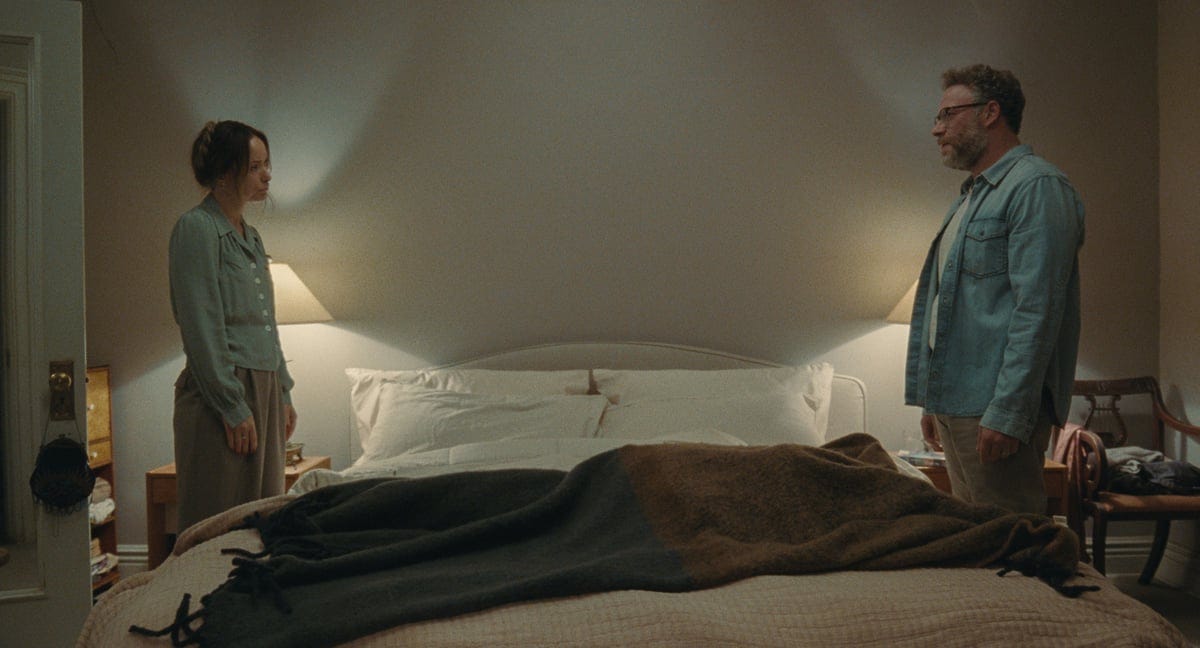
Via Letterboxd: Joe and Angela’s marriage is on thin ice. When they invite their enigmatic upstairs neighbors for a dinner party, the night spirals into unexpected places.
Review
Finally, after two movies that showed genuine promise as a filmmaker but left me less enthusiastic about the stories and characters at their center, The Invite is the film where Olivia Wilde fully executes everything together. This is the first movie of hers that I can confidently call an A-tier directorial effort, and it immediately establishes itself as one of the year’s most fun surprises.
On paper, this really shouldn’t be my kind of movie. Relationship-friction dramas are a genre that I tend to respect the themes more than love watching. Too often they can feel repetitive, self-important, or content to wallow in misery without offering much insight beyond “relationships are complicated and they don’t all end good.” Yet much like last year’s Is This Thing On?, The Invite completely won me over because it understands that honesty and hope aren’t mutually exclusive. It digs into the uncomfortable realities of relationships, attraction, resentment, and emotional vulnerability while never losing sight of the fact that people keep trying anyway. Whether or not you share my more hopeful interpretation of the ambiguous ending, I found that balance incredibly refreshing.
What impressed me most is how difficult this movie should have been to pull off. Wilde is juggling a remarkable number of tones and ideas at once. The film swings effortlessly between sharp comedy, romantic sentimentality, emotional drama, and sexually charged humor without ever feeling disjointed. There are plenty of films that can handle one or two of those elements well. There are very few that can combine all of them into a cohesive whole and make it feel natural.
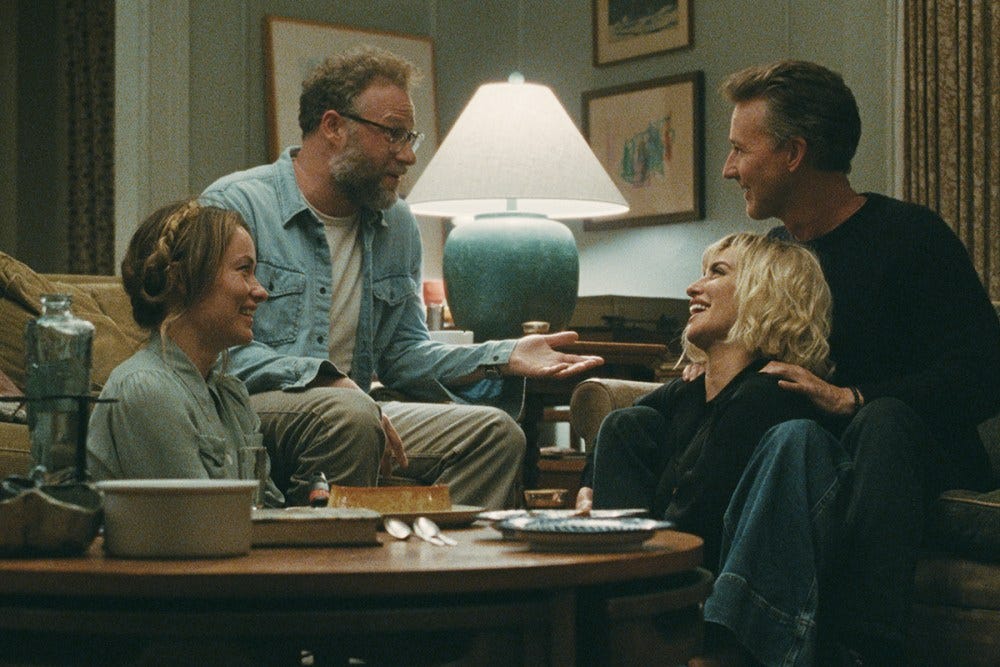
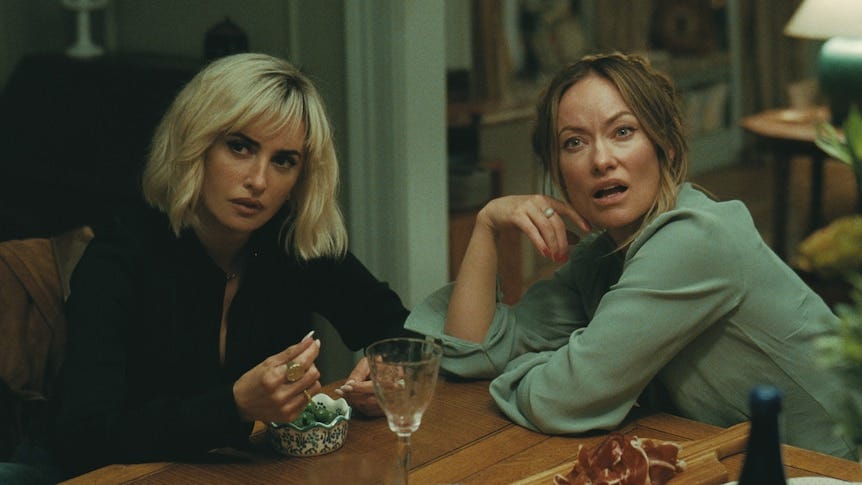
The performances are a huge part of why The Invite works as well as it does. Olivia Wilde proves herself just as capable in front of the camera as she is behind it, delivering some of her strongest work to date with a performance that balances vulnerability, wit, and emotional complexity. Seth Rogen continues his recent streak of impressive dramatic work, bringing a grounded sincerity mixed with his typical brash awkward honesty brand of humor that makes even the film’s messiest relationship moments still have their levity. Edward Norton is phenomenal, with a performance that is simultaneously hilarious, charming, and quietly heartbreaking when he has one particular monologue. Penelope Cruz may ultimately be the standout of the ensemble, effortlessly commanding every scene she enters while expertly navigating the film’s shifts between comedy, romance, and drama. Her character in a way might be the most put-together. Together, the four create a dynamic that feels completely natural, elevating every conversation and ensuring that the film’s emotional and comedic beats land with equal impact.
The ensemble is absolutely on fire. This is one of those casts where every performer feels perfectly dialed into the material, understanding exactly what wavelength the movie is operating on. The chemistry between the actors is what ultimately sells the film’s larger themes and emotional turns. Even when conversations become messy, uncomfortable, or hilariously awkward, the cast makes every interaction feel authentic. The writing gives them plenty to work with, but the performances elevate the material even further.
Speaking of the writing, this is one of the year’s strongest screenplays. The dialogue is razor sharp, consistently funny, and packed with enough emotional insight to keep the story from becoming merely a collection of entertaining conversations. The film constantly reveals new layers to its characters and relationships without feeling forced. By the time it reaches its final act, it feels like you’ve spent an entire evening getting to know these people.
And then there’s Wilde’s direction, which is where the film truly separates itself. This is the best-directed chamber piece I’ve seen since Hitchcock’s Rope, a movie from way back in 1948. That’s obviously high praise, but it’s hard not to think of it while watching how confidently Wilde navigates confined spaces and even uses things like mirrors and windows alongside the interpersonal tension. The camera is constantly engaged with the characters, finding ways to keep conversations visually dynamic while quietly building suspense and emotional momentum underneath. For a movie that spends so much time focused on people talking, it never once feels static.
The score also deserves recognition. It knows exactly when to step forward and when to stay out of the way, consistently arriving at the perfect moments to heighten a scene without overwhelming it. It’s the kind of score that subtly enhances the movie’s emotional impact while never calling attention to itself.
What ultimately elevates The Invite for me, though, is its finale. Without getting into spoilers, it’s the kind of ending that feels destined to spark discussion. I suspect it will function as a litmus test for viewers and reveal a lot about what kind of romantic you are, or aren’t. I found it thoughtful, emotionally satisfying, and entirely consistent with what the film had been building toward, but I can already see how some audiences may have a very different reaction.
That’s also where my biggest caveat comes in. The movie embraces ambiguity in several key areas, particularly during its final stretch. Viewers looking for clear answers or a more straightforward resolution may find themselves frustrated by some of the choices being made. The film trusts its audience to sit with uncertainty and draw their own conclusions, which worked for me but won’t work for everyone.
Still, that’s a relatively minor criticism for a movie that succeeds so spectacularly in almost every other area. The Invite is hilarious, emotionally intelligent, beautifully directed, brilliantly acted, and far more layered than its premise might initially suggest. It deserves serious year-end consideration for its ensemble and screenplay, and Wilde’s direction is absolutely going to remain on my mind when awards season arrives.
“TL;DR”
Pros: The best directed chamber piece since perhaps 1948’s Rope; The ensemble is on fire; The funniest film I’ve seen this year so far; Expertly juggles comedy with drama and romantic sentimentality with sexually tense humor; Great score that knows when to play at the perfect time
Cons: Film’s ambiguous portions, including its ending, might frustrate those looking for something more straightforward