This is a quick review of the newly released film The Samurai And The Prisoner. Please note that this is just one of the many movies I will have watched each year, and my initial grade for this film may change over time, for better or worse. To stay up to date on my thoughts about other movies and any potential changes in my opinion on this one, follow me on Letterboxd.
Plot
Via Letterboxd: When Lord Murashige rises up against the tyrannical Oda, he finds himself besieged within the walls of his own castle. Isolated, he is confronted with a series of mysterious crimes that shatter the fragile order of his court, plunging the fortress into fear and suspicion. With Oda’s army closing in and a traitor hiding among his ranks, Murashige is forced into an uneasy alliance with Kanbei, a brilliant and dangerous strategist held prisoner in the dungeon, as he must outwit his enemies and uncover the truth before time runs out.
Review
Director Kiyoshi Kurosawa might be the most prolific big-name Japanese filmmaker working today, aside from perhaps Hirokazu Kore-eda. The man has directed a new feature almost every year since 1980, building on a career that began with several short films in the 1970s. While most of his work has fallen within the horror genre, and arguably his most iconic film, 1997’s Cure, is for many one of the genre’s defining works, Kurosawa himself has said he considers himself a multi-genre filmmaker.
He certainly seems intent on proving that with his latest film, The Samurai And The Prisoner, which is less a horror film and more of a political thriller fused with a dry, anti-war bushido tale. The movie first premiered at the Cannes Film Festival, where it received decent reviews. Janus Films picked it up and is giving it a slow rollout across the country over the coming weeks. They were kind enough to provide me with a screening link, so I figured I’d write up a review in case you notice it making its way to your local market.
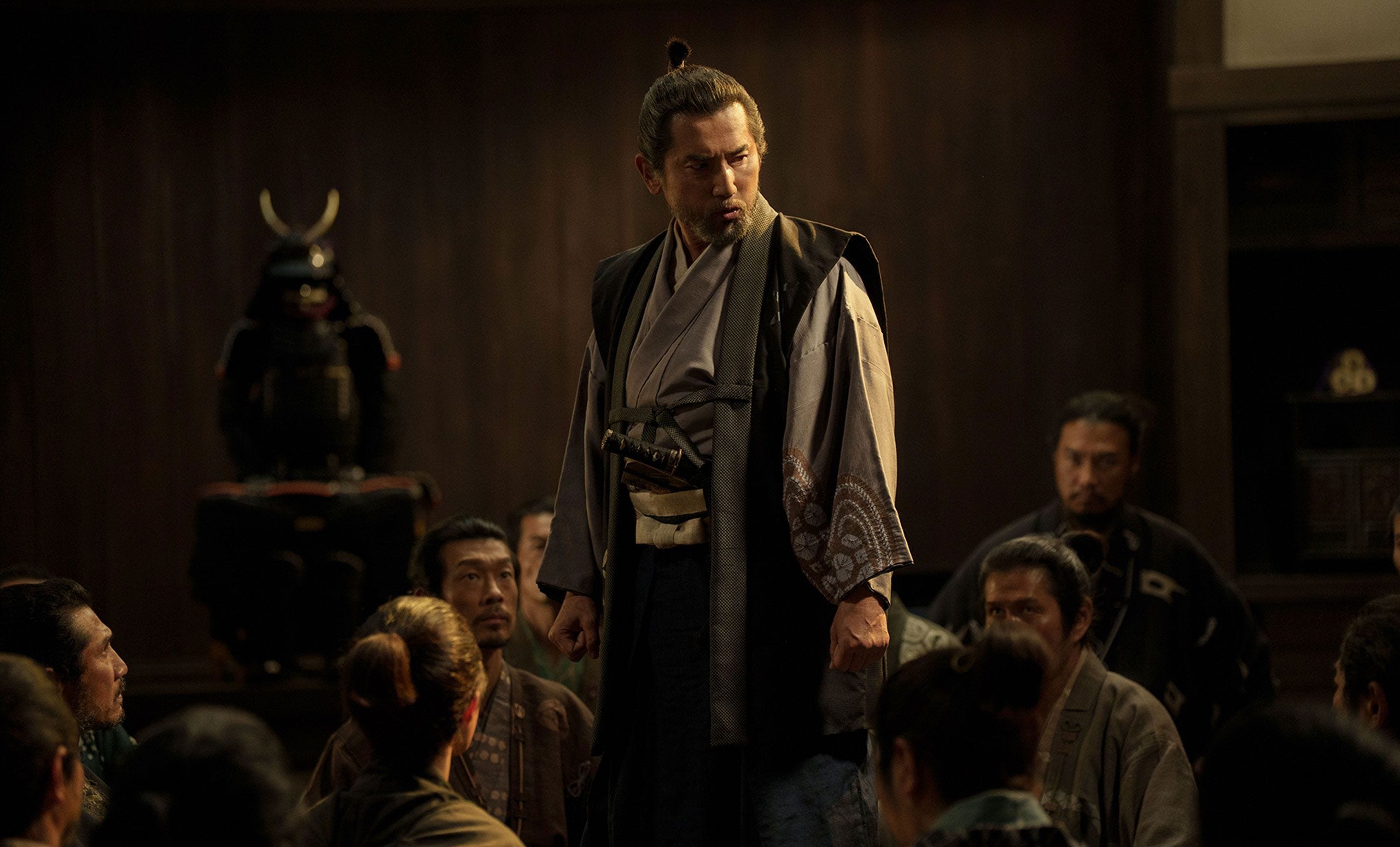
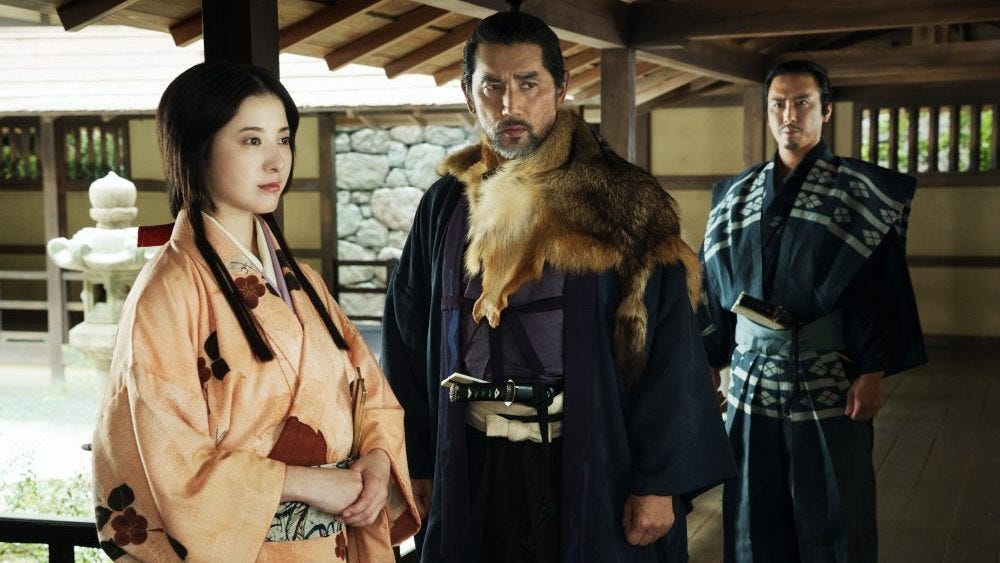
The first thing I’ll say is that this film is impeccably crafted. The costume and production design do a fantastic job of immersing you in this period of history and making the world feel lived in. Our protagonist is desperately trying to keep his castle from falling apart as the threat of a siege looms over him, all while mysterious deaths begin occurring within the walls of his domain. If you’re anything like me and have a deep appreciation for samurai films, you’ll love the level of artistry that went into bringing this world to life.
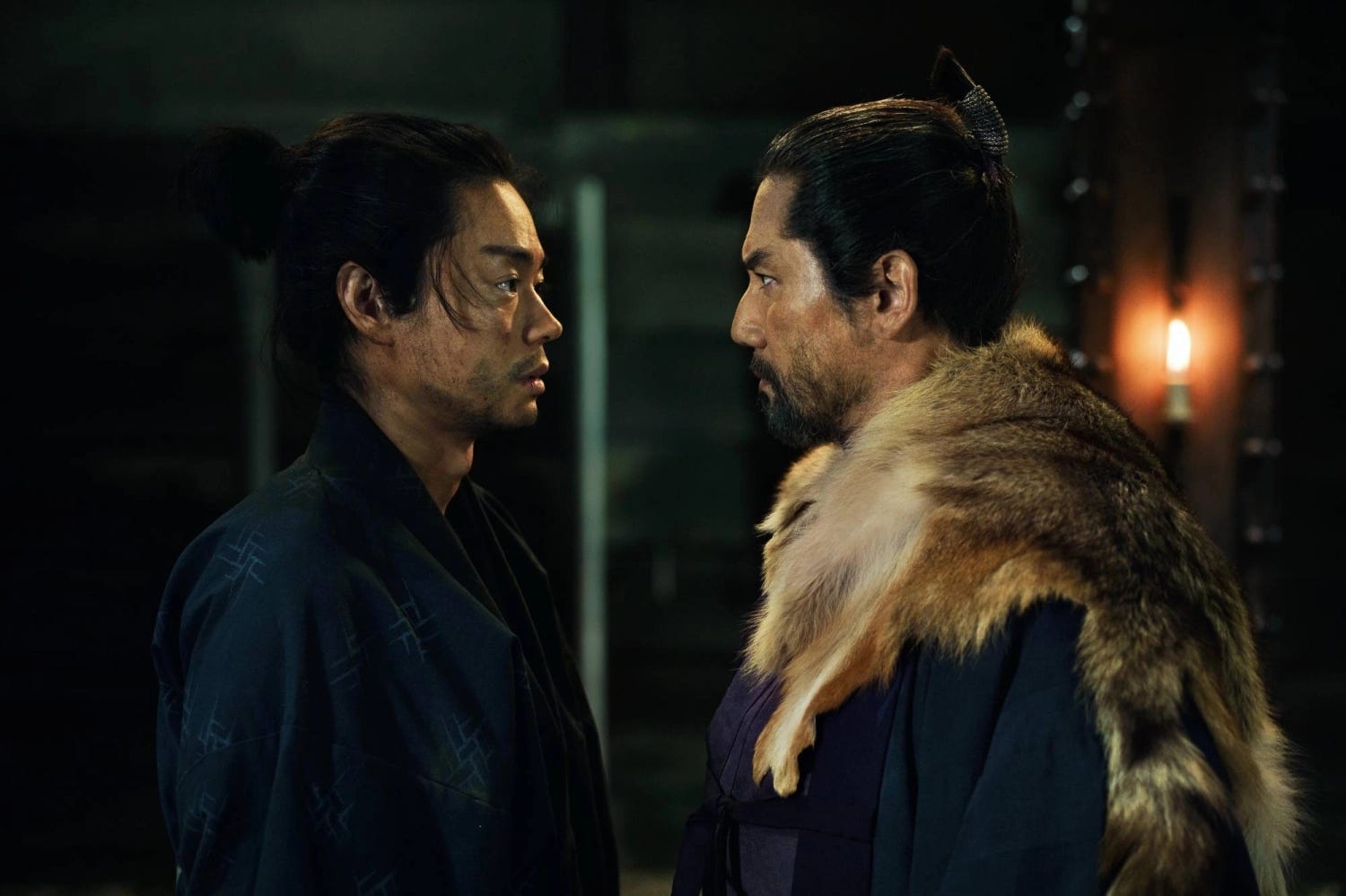
The performances are strong across the board, especially from the film’s two leads, Masahiro Motoki and Masaki Suda. Everyone here commits fully to their roles, making you believe in their characters, motivations, and emotional arcs from beginning to end.
The movie, however, won’t be for everyone. Its pacing is deliberately slow and dry, and I can easily see viewers checking out if this style of samurai film isn’t already their thing. It can also become repetitive at times before the third act, to the point where it almost feels episodic in structure. To the film’s credit, though, it continually evolves the longer it goes on. What begins as a murder mystery gradually transforms into a political thriller, then an anti-war drama, and ultimately a story about a man searching for peace in a world that no longer has a place for him.
But if you’re a big fan of samurai films, if you don’t mind spending more than two hours immersed in this world, and if you have the patience for its measured pace, I think you’ll enjoy this as much as I did. It ultimately lands where almost every Kiyoshi Kurosawa film lands for me in the “really good, but not great” category. I’m sure others who give it a chance will disagree and argue that it is great. Regardless, it’s a fascinating exploration of a world that no longer exists, yet somehow continues to intrigue many of us.
“TL;DR”
Pros: Meticulous craftmanship into bringing this era of Japanese history to life; Great performances from its ensemble; Starts to get its legs from underneath it as the runtime goes on
Cons: Can be very dry in its pacing and thus be off-putting for some; Gets very repetitive in the way its structured